
Insider's Guide:
Moving to Laguna Beach

Insiders Guide Moving To Laguna Beach is your start-here roadmap for relocating to one of California’s most unique coastal towns.
What Laguna Is (And Isn’t)
Laguna Beach is not a generic beach suburb. It’s a compact coastal town with a strong local identity, serious demand, and big seasonal swings. Before you get into listings or price ranges, it’s worth understanding a few core truths that shape daily life here.
Table of Contents
Local Scale, Global Interest
Laguna is geographically small, but it draws visitors year-round. That means a Wednesday morning in February can feel calm and local, while a Saturday in July feels like a completely different town. Your experience will change dramatically by season, time of day, and how close you are to the village and main beaches.
Housing Is Tight By Design
The town is boxed in by coastline, hills, and dedicated open space. There’s very little room to expand, and many areas are built out. That limited supply, combined with constant demand, keeps both purchase prices and rents high. Good homes and long-term rentals move quickly, often with multiple interested tenants or buyers.
Location Dictates Life
Two miles in Laguna can change everything: how often you walk, how loud your street is on weekends, how often you deal with marine layer, and how stressful parking feels. Instead of thinking in terms of “north vs south,” think in terms of specific streets, hillsides, canyons, and how far you are from PCH and the village core.
Car Optional vs. Mandatory
If you live in or very near the village, a lot of your daily routine can be on foot: coffee, dining, errands, the beach, and local events. Once you move into canyons, hillsides, or more tucked-away streets, a car becomes non‑negotiable and commuting/parking shape your week. Knowing which lifestyle you want up front makes choosing a neighborhood much easier.
Compare Neighborhoods
ADVERTISEMENT

Local Reality: Test-Drive Your Routine
Before you commit to any neighborhood, spend time there at three moments: a weekday morning, a Friday or Saturday night, and a summer weekend afternoon. That simple loop tells you the truth about noise, traffic, and parking far better than any listing description.
Best Time to Move
Time Your Laguna Move So Your First Weeks Feel Settled, Not Chaotic
Laguna is technically a year-round town, but it doesn’t feel that way when you’re the one trying to move in. The best timing for you depends on whether you’re buying or renting, and how much chaos you’re willing to deal with during your first weeks in town. The Insider’s Guide:Moving to Laguna Beach is here to help.
Late September Through Early December (The Sweet Spot)
If you want to feel what living here is really like, this is the best window. Summer crowds drop off after Labor Day, the ocean is often still warm, and the town settles back into a local rhythm. Parking becomes manageable again, restaurants calm down, and neighborhoods are easier to judge without the tourist layer on top.
Why it matters for movers
- You’ll see normal traffic patterns.
- You can test drive walkability and parking on a typical week.
- Landlords are often more flexible than in summer because visitor demand drops.
June Through September (Beautiful, But Harder to Move)
Summer in Laguna is not just “nice beach weather.” It’s also festival season and peak tourism. The Sawdust Festival, Festival of Arts, and Pageant of the Masters all hit around the same window, pulling in visitors from all over. Roads back up, parking fills early, and even simple errands take longer.
What that means in real terms
- Short-term rentals spike, which reduces long-term rental availability and pushes prices up.
- If you have to move in summer, do this: Book movers well ahead (summer is peak moving season and availability tightens).
- Plan a weekday move if possible. Weekend moves are where festival traffic and parking pain stack.
- Confirm move-in parking. In many areas, a moving truck can only park on street for about four hours without a permit.
January Through March (Quietest Town, Best For Bargainers)
Winter is when Laguna feels most like a small coastal town. Visitor traffic drops, streets are calmer, and you’ll interact more with the true year‑round community. If you’re looking for a long-term rental, this is often the best time to find owners willing to talk about price or terms, especially if a place sat empty over the holidays.
Tradeoff
- You’ll see the “real local Laguna,” but you won’t see the full summer energy. That’s fine if you already know you want quieter daily life.
- You can get around easier and find parking without a hassle.
Buying Vs. Renting Timing
Whether you’re buying or renting, timing affects both your options and your stress level. The good news is that you don’t have to time the market perfectly—you just need to understand how seasons change what’s available.
For Buyers
Laguna’s sales market is micro‑market driven: a home’s value and livability depend on things you only fully appreciate when you’re standing there—stairs, street noise, wind and marine layer, sightlines, and parking reality. Inventory ebbs and flows throughout the year, but great houses can appear in any month.
A practical approach is to scout each serious contender twice: once on a calm weekday, and once on a busy summer weekend. The same property can feel like two different homes. If you’re looking in hillsides or canyon areas, get insurance quotes early: wildfire risk and changing insurance rules can affect whether a home is truly affordable long‑term.
Most buyers in Laguna end up choosing their top two non‑negotiables—view, walkability, parking, space—and being flexible on the rest. Trying to get all four usually means either a huge budget stretch or a very long search.
For Renters
Renters feel the seasonal swings too, especially near the village and the beach. Summer brings more listings in absolute numbers, but also more competition and higher pricing. In many cases, owners are happy to wait for a strong summer tenant rather than negotiate.
If you want leverage, look from late September through February. That’s when long‑term rentals quietly come on the market and pricing isn’t propped up by short‑term demand. When you tour a place, always ask two seemingly simple questions: How many parking spots are included and where, and what day is street sweeping on this block? In some areas, those two details matter more than square footage.
If a place is close to downtown or PCH, ask whether the address is eligible for a residential parking permit and how many permits the household can get. That small detail can make the difference between a relaxed daily routine and constant parking stress.
Find Your Spot:
How To Choose The Right Neighborhood
Laguna isn’t one single market—it’s a stack of mini‑markets and micro‑neighborhoods. Two streets apart can mean totally different noise levels, parking realities, and daily rhythms. The fastest way to choose a good fit is to start with your routine, not with a map.
Think about where you want to walk most days, how quiet you want nights to feel, whether you’re commuting or working from home, and how much you care about views versus easy access. Once you’re clear on that, most neighborhoods fall naturally into a few lifestyle lanes.

Walkability & Social
If you want Laguna to feel like a car‑light beach village, this lane is for you. Here, your daily life revolves around walking to coffee, restaurants, galleries, and the beach. You’ll feel the pulse of town events and weekend visitors, and you’ll be able to step out your door and be “in it” within minutes.
This setup is ideal for remote workers who want human contact, couples or singles who enjoy going out, and second‑home owners who value convenience over space. The tradeoff is less privacy, more street activity, and usually more challenging parking.

Quiet & Nature
If your non‑negotiable is coming home to calm, this lane will feel right. Quiet & Nature neighborhoods usually sit a bit away from the village core, in canyons, on hillsides, or on more residential streets. You’ll still be close to everything, but you’ll drive more and feel less of the visitor traffic on your block.
These areas appeal to people who want a true home base, value privacy, or plan to spend more time on trails and in nature than in the middle of town. The tradeoff is more driving, more stairs in some cases, and a bit more planning for each beach or grocery run.
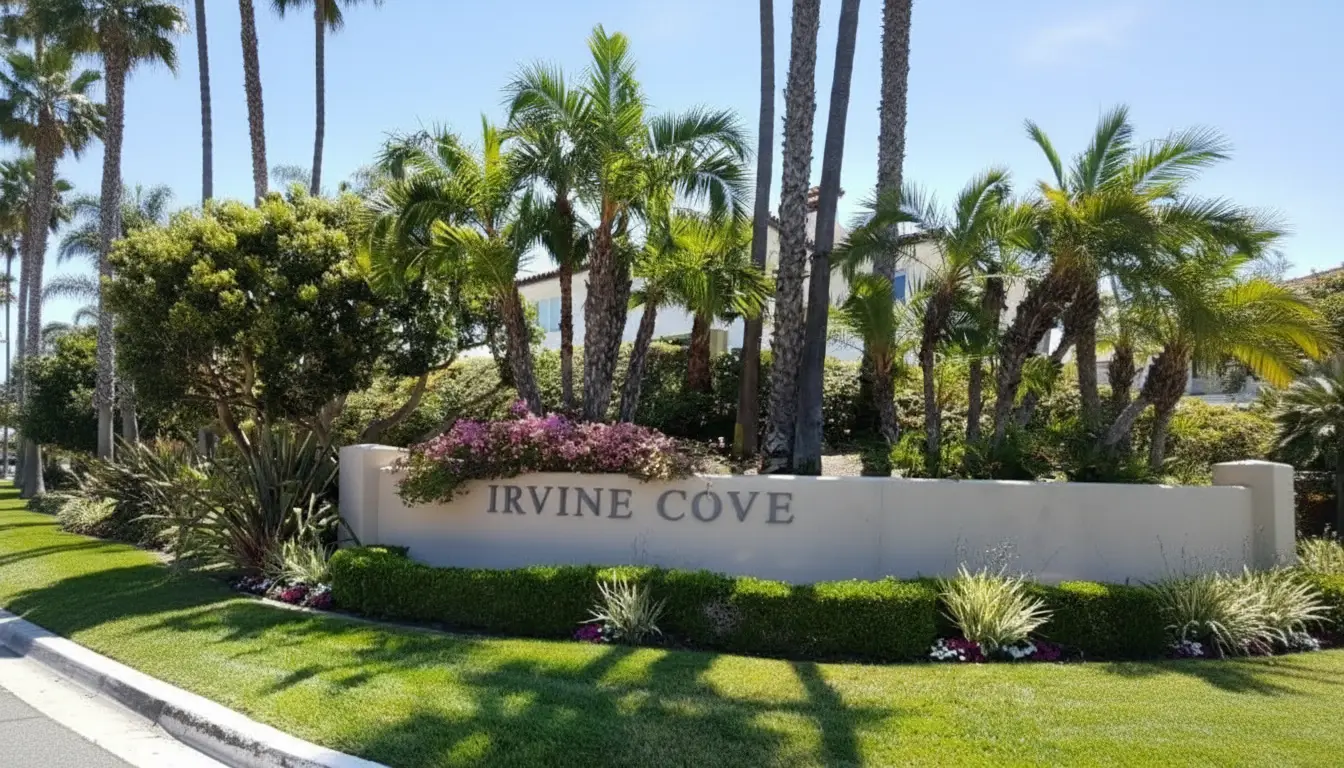
Gated Luxury
Laguna’s gated communities are built around privacy, security, and a polished coastal experience. Here, you’re paying for controlled access, curated streetscapes, and in many cases, incredible ocean views or private/beach adjacent settings. HOA culture is part of daily life, and rules can be more structured than in open neighborhoods.
This lane fits buyers who want their home to function as a retreat first and a social launchpad second. Walkability may be limited and you’ll drive for most errands, but day‑to‑day life is quieter and more self‑contained.
Family Life
For families, the decision is less about postcard views and more about routine: school boundaries, drop‑off and pick‑up routes, parking, and how easy it is to get kids to activities. Laguna can be an incredible place to raise kids if the logistics are on your side.
Family‑friendly areas tend to offer safer feeling streets, easier parking, and reasonable access to schools, parks, and the beach. The key is to test your imagined school day and weekend routine in each area before you commit.
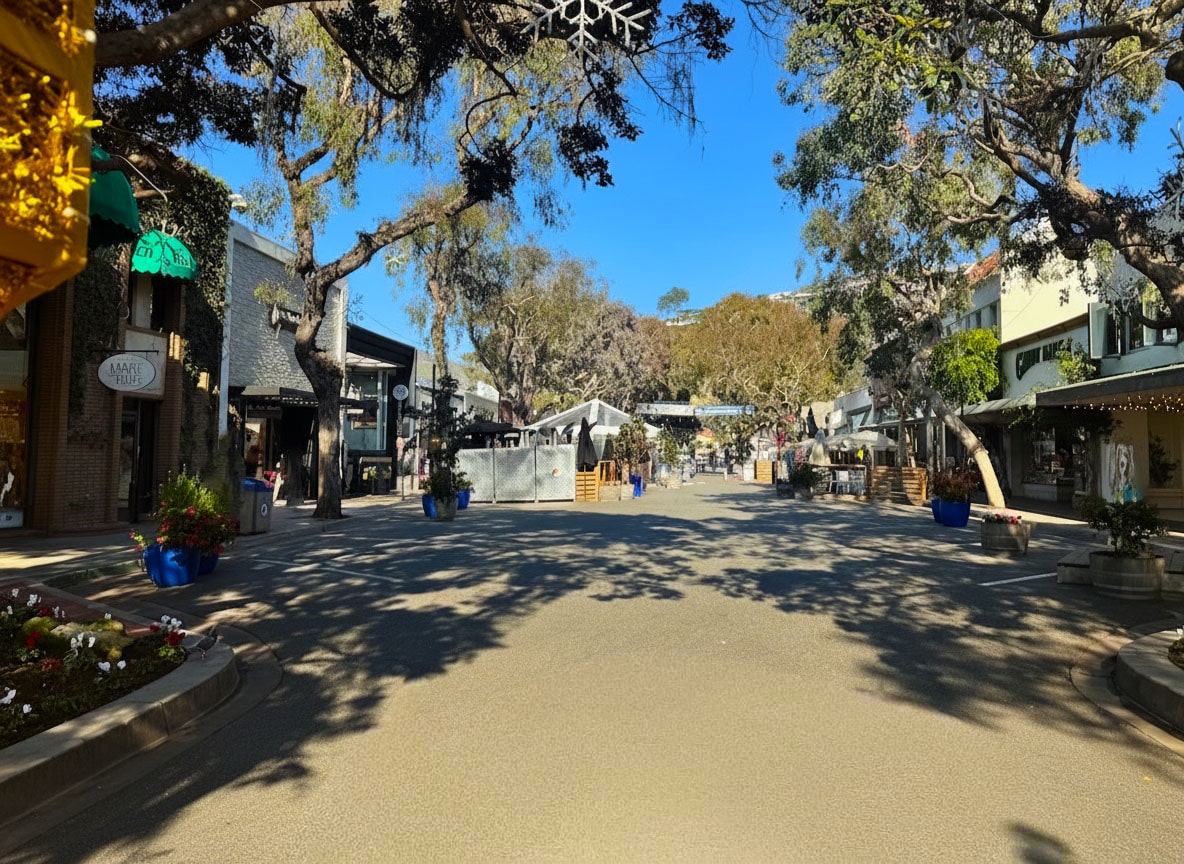
The Village Core
The village core is the most “Laguna postcard” version of town: you’re steps from coffee, dining, galleries, the beach, and festivals. If your ideal day is walking everywhere and barely touching your car, this is the obvious target. It’s also the most competitive area for rentals and purchases.
Life here is lively, especially on weekends and in summer. You’ll feel more noise, more visitors, and more parking pressure—but also the highest level of day‑to‑day convenience and a strong sense of being part of the town’s heartbeat.
The Tradeoff
Every lane comes with tradeoffs. Walkable areas trade space and quiet for energy and access. Quiet & Nature pockets trade convenience for calm. Gated neighborhoods trade spontaneity and some flexibility for privacy and security. Family‑focused choices trade postcard moments for smoother daily routines. There isn’t a single “best” neighborhood in Laguna—there’s only the best fit for how you want to live. Use this guide as a starting point, then dive into individual neighborhood pages to see which streets and pockets match your priorities.
Cost of Living Snapshot
The Laguna Beach Lowdown
Laguna Beach is expensive, but what matters most is understanding where the money actually goes. Housing is the headline, but real‑world budgets are shaped by insurance, utilities, parking, and the fact that many homes sit in hillside, canyon, or ocean‑exposed locations that require more care.


Housing Costs At A Glance
Laguna sits near the top of Orange County’s housing market. Entry points that would buy a detached home in many cities often translate to a condo or townhome here, and single‑family homes—especially with views or walkable locations—command a premium.
Beyond the list price or rent number, focus on what you’re actually buying: Does the home have off‑street parking? How many stairs are there between the car and the front door? How close is it to PCH noise or summer traffic? Those details change how a place feels much more than the square footage does.

Insurance And Hidden Owner Costs
If you’re buying in Laguna, insurance is now a first‑tier decision. Hillside and canyon properties can fall into higher wildfire‑risk categories, and coastal exposure means more attention to wind, moisture, and long‑term maintenance. Changing insurance rules and rising premiums statewide make it critical to get quotes early in your search, not at the last minute.
On top of that, older homes and ocean‑adjacent properties often carry higher ongoing costs for upkeep. When you’re running numbers, don’t just compare mortgage to rent—include taxes, insurance, expected maintenance, and utility patterns for the specific type of home you’re considering.
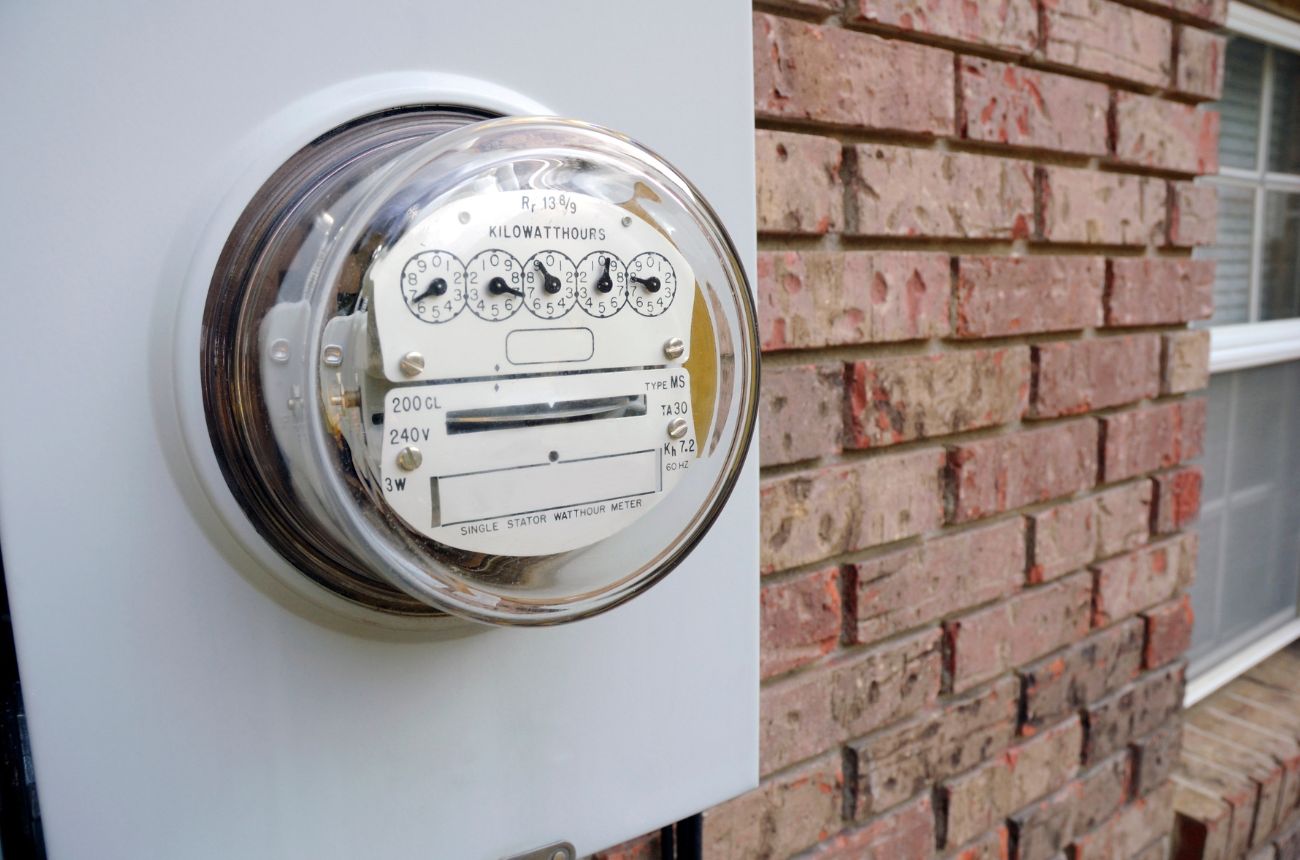
Utilities And Monthly Reality
Utility costs in Laguna vary by house size, efficiency, and location. Ocean‑side homes may need more dehumidifying and corrosion prevention. Canyon and hillside areas can be cooler at night but hotter in direct sun, which changes how you use heating and air conditioning.
Most residents can expect electricity, water, sewer, and trash to run higher than more inland cities, especially for larger homes or heavy landscape watering. Internet is generally solid, but certain canyon pockets may have fewer provider choices, so it’s worth confirming coverage before you commit.

Everyday Spending
Groceries, dining out, and services in Laguna often cost more than in nearby cities. You’ll notice it in simple things: coffee, casual lunches, fitness classes, and home repair bids. That said, a lot of what you’re paying for in Laguna is a lifestyle built around the outdoors—beach time, trails, and ocean air—rather than paid entertainment.
People who thrive here usually pick one or two areas where they’re comfortable spending more—like walkability or views—and consciously keep a simpler, more local lifestyle in other areas. The key is to decide where Laguna’s premium is worth it for you.
Commuting, Parking, And Traffic Truths
Navigating Tips to Help You Keep Your Sanity
Moving to Laguna isn’t just about where you sleep—it’s about how much time you spend in a car and how stressful it feels to come and go. The town is small, but there are only a few ways in and out, and they all feel different depending on time of day and season.
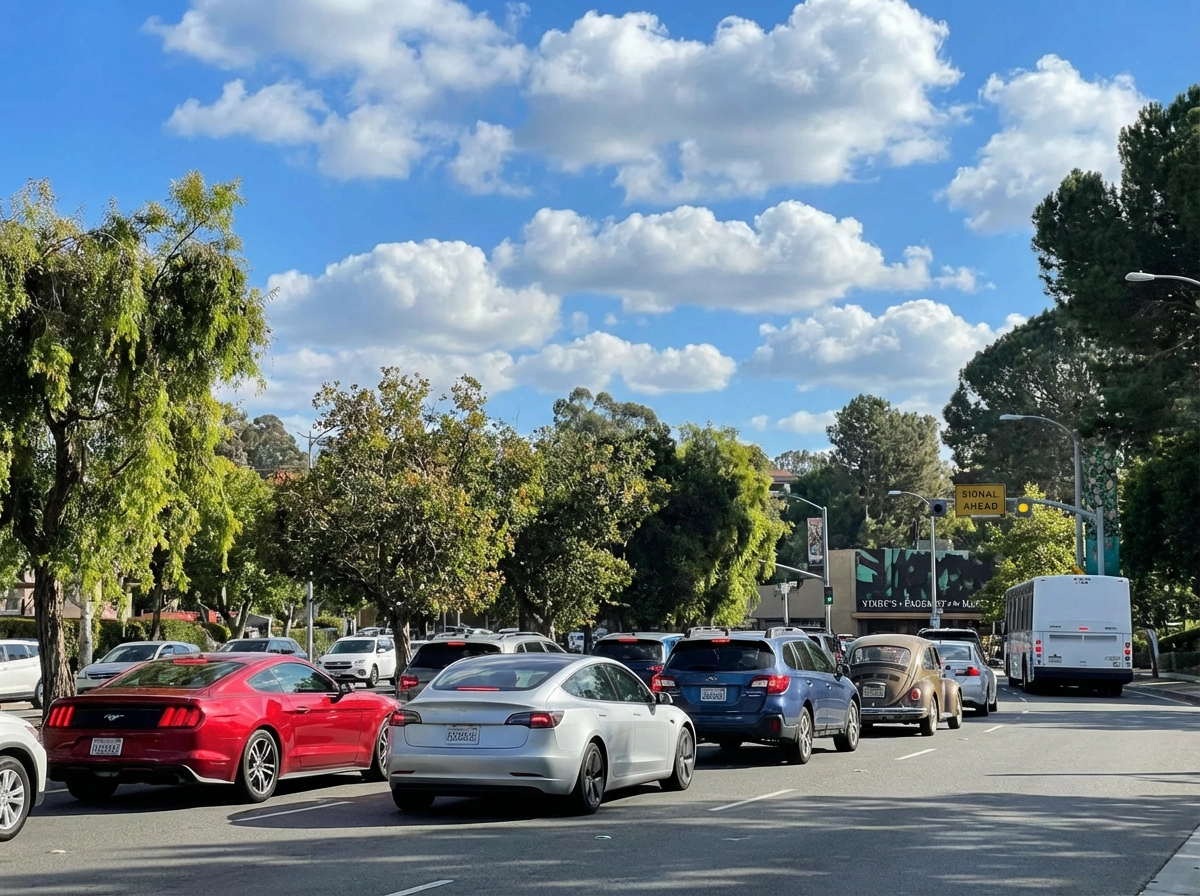
Laguna Traffic
On paper, Laguna looks like a short hop to a lot of Orange County. In practice, Pacific Coast Highway and Laguna Canyon Road can bottleneck quickly when visitors are heading to the beach or to festivals. Weekday off‑peak hours are usually manageable; summer weekends and event evenings are where backups appear.
If you’re scouting neighborhoods, try driving your likely commute at different times and on different days. A route that feels fine on a Tuesday morning can feel very different on a sunny Saturday when the town is full.

Commuting To Irvine, San Diego, Or Los Angeles
If you’re commuting to Irvine, your biggest wildcards are Laguna Canyon Road and the on‑ramps to the 405 and 5. Off‑peak, the drive is reasonable. During peak rush hours, backups are common. For San Diego or Los Angeles, Laguna can work well for hybrid or flexible schedules, but a traditional daily peak‑hour commute will be tiring.
If you work remotely or have control over your schedule, Laguna life becomes dramatically easier. If your job requires strict in‑office hours, focus on neighborhoods with faster, more predictable access to Laguna Canyon Road. If you’re closer to town or in the North Laguna area, PCH to Newport Coast is a better option.
Parking: The Daily Lifestyle Variable
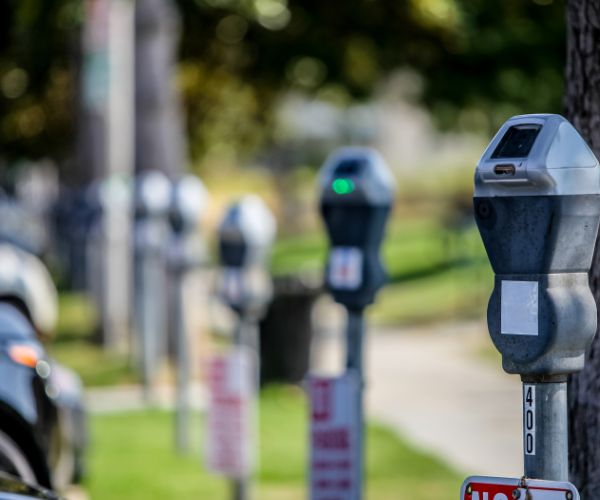
Parking shapes quality of life here more than many newcomers expect. In and near the village core, street parking can be competitive, especially in summer and on weekends. Meters and pay lots have time limits and enforcement that you feel quickly once you live here full‑time.
When you’re evaluating a home, don’t just count bedrooms—count parking spots, driveway layout, street width, and how easy it would be for guests, deliveries, and (on move‑in day) a truck to get to you.
Residential Parking Permits
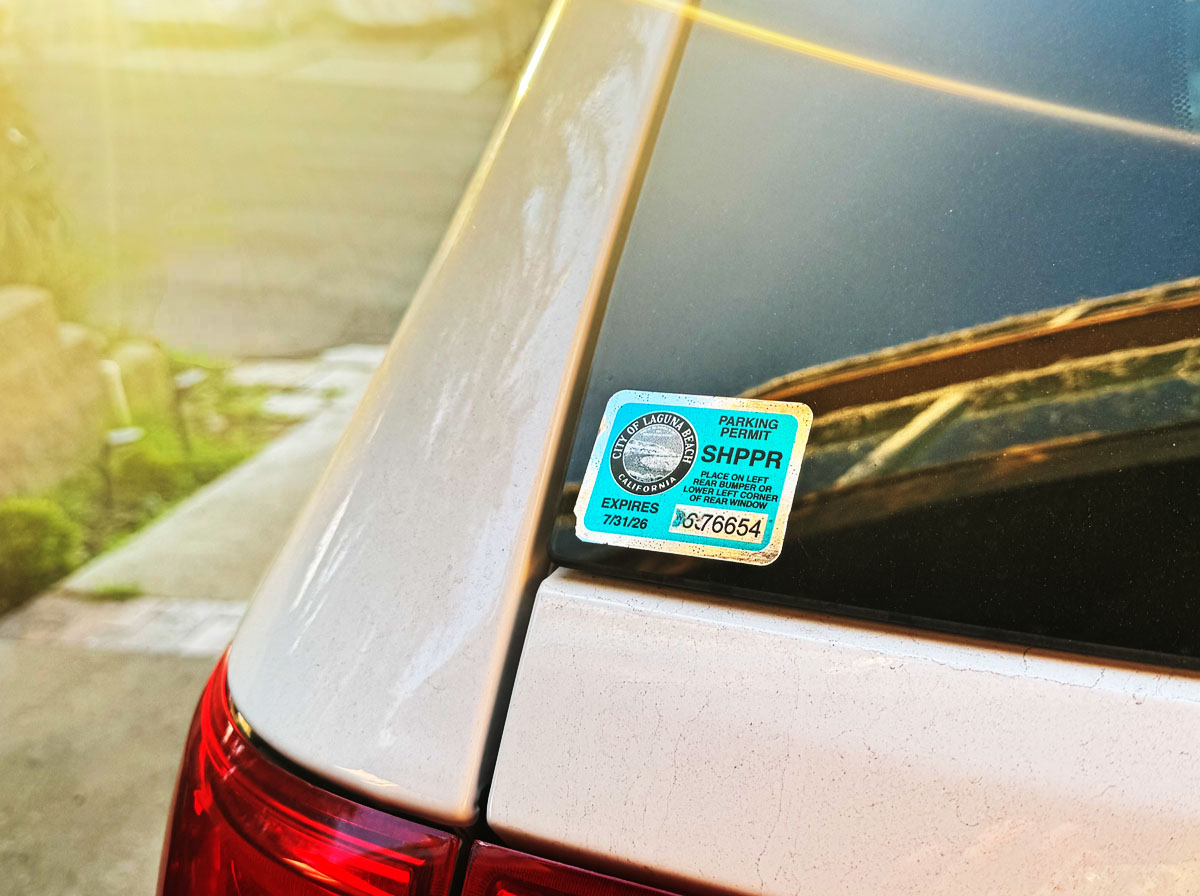
Some areas near downtown and the beaches use residential parking permits to keep streets from being completely overrun by visitors. Not every address is eligible, and in some cases, there are caps on how many permits a household can have.
Before you sign a lease or make an offer, ask whether the address qualifies for permits, how many are allowed, and what the rules are around guest parking. The answer can make the difference between a relaxed routine and constant parking workarounds.
For more information about Laguna Beach city parking permits, click here.
Move‑In Day Reality
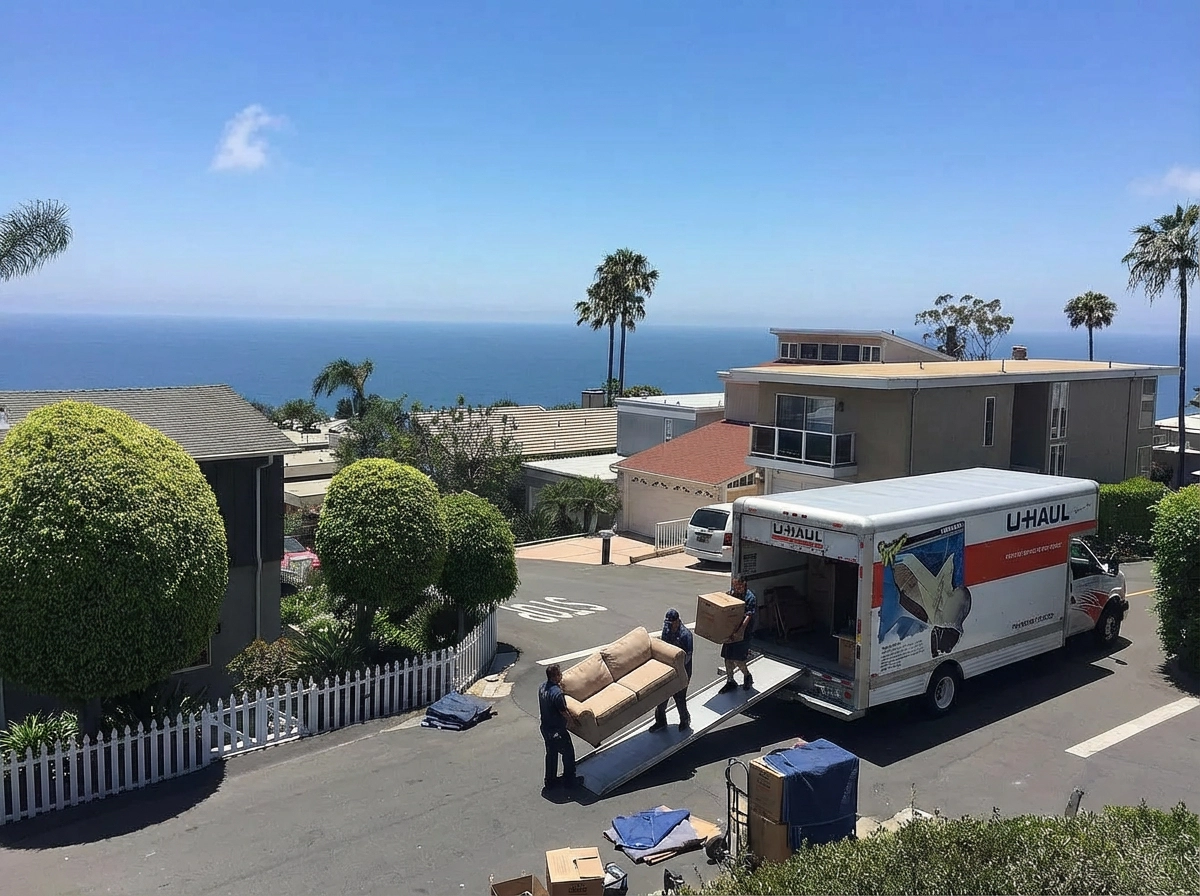
In tighter streets and busy seasons, move‑in day requires a bit of strategy. Confirm where your moving truck can park, how close it can get to your door, and how long it can legally stay there. In some neighborhoods, you may need to coordinate with your landlord, neighbors, or the city to avoid surprises.
If you have flexibility, scheduling your move on a weekday, outside of peak festival season, will make everything simpler and less stressful.
Schools And Family Life
Where Top Schools And A True Small-Town Community Shape Family Life
Laguna Beach has a strong reputation for schools and a tight‑knit community feel, but family experience here depends heavily on exactly where you live. Boundaries, parking, and how easy it is to navigate drop‑off and pick‑up routines all matter more than they might in a typical suburb.
Public Schools Overview
Laguna’s public schools serve a relatively small, engaged community. Because the district is compact, boundaries and specific streets matter. Two homes that are only a short drive apart can fall into different attendance zones or create very different daily drive times.
If schools are important to you, verify boundary maps with the district rather than relying on listing sites. Then test‑drive your morning routine from potential neighborhoods to see what the timing, traffic, and parking actually feel like.
Private And Alternative Options
Within a short drive of Laguna, you’ll find private, charter, and alternative schooling options. Some families mix and match—using public schools for certain grades and private programs or specialized options for others. Your choice of neighborhood will still shape how long those drives feel and how early everyone needs to get out the door.

What Day‑To‑Day Family Life Feels Like
Families who love Laguna usually lean into the outdoor life: after‑school beach time, parks, trails, and a sense of community at local events. The flip side is dealing with narrower streets, limited parking, and occasionally steep drives or stairs.
The key is to pick a neighborhood where your daily routes—school, activities, groceries, and play—feel realistic for your kids’ ages and your work schedule. A beautiful house that makes every errand stressful is rarely worth it.
Beaches, Trails, And Outdoor Lifestyle
From Sunrise Hikes To Sunset Swims, Choose A Neighborhood That Keeps Up
Laguna isn’t one single market—it’s a stack of mini‑markets and micro‑neighborhoods. Two streets apart can mean totally different noise levels, parking realities, and daily rhythms. The fastest way to choose a good fit is to start with your routine, not with a map.
Think about where you want to walk most days, how quiet you want nights to feel, whether you’re commuting or working from home, and how much you care about views versus easy access. Once you’re clear on that, most neighborhoods fall naturally into a few lifestyle lanes.

Where Locals Actually Hang
Locals tend to rotate between a small handful of beaches and trails that fit their routine: the one that’s easiest to reach after work, the quieter cove that’s easier with kids, or the trailhead with simple parking and a quick loop. As you explore, pay attention to which spots you naturally return to—that’s a clue about where you might want to live.

North vs. South Laguna Vibe
North Laguna feels closer to the village energy and some of the more iconic main beaches. South Laguna tends to feel more residential, with a mix of pocket beaches, coves, and bluff‑top views. Both offer great options; the difference is in how busy they feel, how much parking pressure there is, and how long it takes you to get there from home.
If You Surf, Hike, Or Tidepool
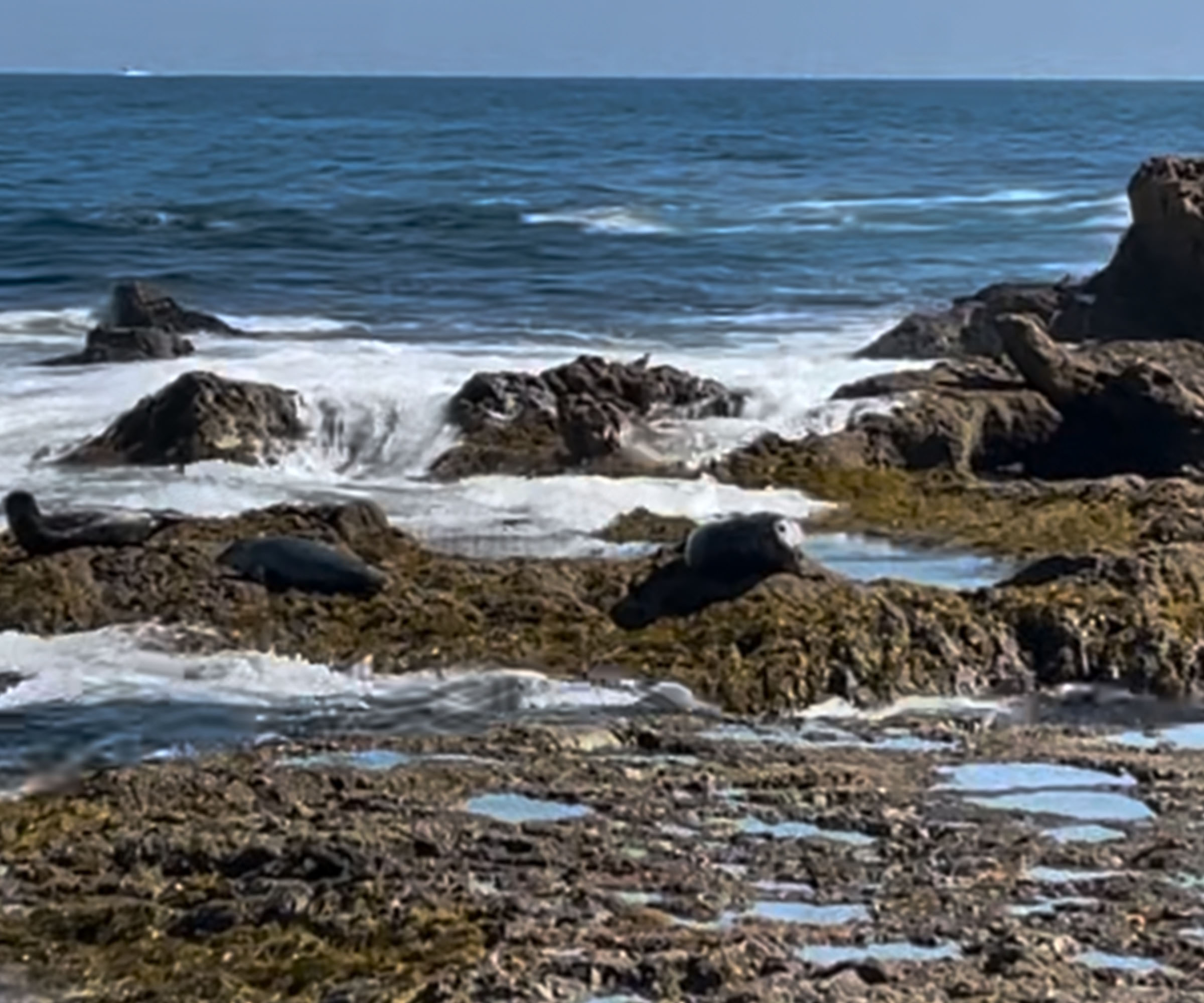
If your move is built around surfing, hiking, or tidepool exploring, let that shape your short list. Living ten minutes closer to your favorite break or trail makes a big difference when you add it up over a year. Checking conditions, tides, and access rules for your preferred spots ahead of time will help you pick a neighborhood that actually supports the life you want to live.
Moving Logistics Checklist
A Laguna-Specific Game Plan So Your First Month Actually Feels Like Laguna.
The emotional decision to move is one thing; the actual logistics are another. Here’s a simple checklist tailored to Laguna so the practical side doesn’t derail your first month.

Public Schools Overview
- Confirm your housing details in writing: rent or purchase price, included parking, pet policies, and any HOA rules that affect moving in or daily life.
- Ask specifically about where you and your movers can park on move‑in day and whether any permits or notifications are required.
- Set up utilities and internet in advance so you’re not scrambling once you arrive.
- If you have kids, confirm school enrollment steps and required documents so there are no surprises.
- Look up street sweeping schedules for your new block and put them in your calendar immediately.

First 30 Days
- Handle DMV and vehicle registration changes promptly, especially if your car will be parked on‑street.
- Walk or drive your key routes at different times—school, work, grocery, favorite beach—so you’re not learning them for the first time under stress.
- Figure out your “daily driver” spots: the grocery store, coffee shop, takeout places, and beach or trail you’ll use most often.
- Introduce yourself to neighbors. In a compact town, friendly relationships can make parking, noise, and everyday issues much easier to navigate.
- Pay attention to how the house behaves: drafts, humidity, sun exposure, and noise. Make small adjustments early so you’re comfortable heading into your first summer or winter.
Local Experts
(Coming Soon)
Some decisions are easier with a human guide. We’re building a vetted network of local experts—real estate professionals, contractors, relocation help, and other specialists who actually live and work in Laguna. The directory isn’t live yet, but it’s on the way.
If you’d like a heads‑up when it launches, sign up below. No spam, no sales funnels—just introductions to people who know the town from the inside.

Frequently Asked Questions
Is Laguna Beach a good place to live year‑round?
Yes, if you choose a neighborhood that matches your routine and budget. Year‑round residents enjoy a strong sense of community, great schools, and daily access to the ocean and trails. The key is accepting the tradeoffs around cost, parking, and seasonal crowds—and picking an area where those tradeoffs feel worth it.
What’s the biggest surprise for new residents?
For many people, it’s how much parking and micro‑location matter. A home can look perfect online, but if street parking is brutal or your block turns into a shortcut during busy weekends, it changes daily life more than most people expect.
Can you live in Laguna without a car?
If you live in or next to the village core, it’s possible to live a mostly car‑light life with walking, rideshare, and occasional transit. In canyon, hillside, or more residential pockets, a car is usually essential, especially for families.
Is Laguna a good fit for remote workers?
Laguna can be an excellent base for remote work: inspiring views, walkable coffee and lunch options, and easy outdoor breaks. Just make sure your home has reliable internet, a quiet enough street for calls, and a routine that keeps you from feeling isolated.
How bad is summer traffic, really?
Summer traffic is very noticeable on weekends and event evenings—especially on PCH and Laguna Canyon Road. If you plan ahead, travel at off‑peak times, and pick a neighborhood with a realistic route for your needs, it’s manageable. If you expect it to feel like an inland suburb, it will be frustrating.
What should I look for in a rental beyond price and photos?
Look closely at parking, street width, stairs, and how close you are to busy intersections or festival routes. Ask about noise, neighbors, trash day, and street sweeping. If possible, visit at night and on a weekend before you sign anything.
Is Laguna Beach good for families with kids?
Many families love raising kids in Laguna because of the schools, outdoor lifestyle, and small‑town feel. Success usually comes from picking a neighborhood that supports your daily routine—school runs, activities, and parking—rather than focusing solely on the house itself.
What’s one thing I should do before I commit to a specific area?
Spend a few hours living your would‑be routine there: grab coffee, run an errand, walk to the beach or park, and drive your likely commute route. If it still feels good after that mini test drive, you’re probably looking in the right place.
Ready To Make
the Big Move?
Moving to Laguna Beach is a big decision, but it doesn’t have to be a blind leap. Use this guide to narrow your must‑haves, eliminate deal‑breakers, and decide which neighborhoods are worth serious time and attention.
From here, your best next steps are to compare neighborhoods side‑by‑side, dig into costs with real numbers, and look at how schools, beaches, and daily routines line up with your life. The more honest you are about how you actually live, the easier it will be to find your spot in Laguna.